DIY vs. Professional Gutter Joint Repair: What Redmond Homeowners Need to Know
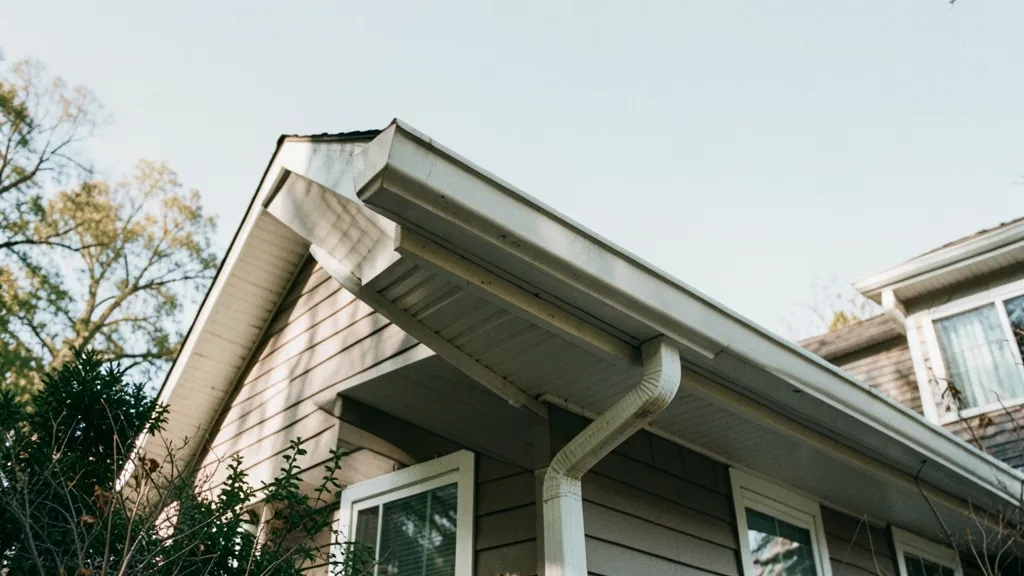
Separated gutter joints are a silent menace in our wet Pacific Northwest climate. Left unchecked, they funnel water straight to your fascia, soffits, and foundation. We’ve repaired thousands of them—here’s how to decide between a weekend DIY fix and calling in our team for a permanent solution.
Why Gutter Joints Fail in Our Climate
Redmond’s long, wet winters and sudden temperature swings are brutal on gutter seams. Aluminum expands and contracts, stressing factory miters and field cuts until the sealant gives out.
Debris buildup adds weight, pulling joints apart. Even a 1/8-inch gap can dump hundreds of gallons behind your gutters during a typical Eastside downpour.
Signs Your Gutter Joints Are Separating
Look for drips or streaks directly below seams during rain. Even dry, you’ll often spot rust, white mineral deposits, or a visible gap at the joint.
Check for sagging sections—water pooling in a separated joint can bend the gutter over time. Don’t ignore peeling paint or water stains on the fascia; these are late-stage warnings.
Quick Inspection Checklist
- Drips or water marks below seams after rain
- Visible gaps, rust, or old sealant at joints
- Sagging or misaligned gutter sections
- Peeling paint or rot on fascia boards
DIY Repair: Tools, Materials, and Reality Checks
For a temporary fix, you’ll need a tube of high-grade butyl gutter sealant or silicone caulk, a caulk gun, gloves, and a wire brush. Clean the joint thoroughly—old sealant and debris often cause DIY patches to fail quickly.
Aluminum gutters often need a mechanical fasteners like pop rivets or gutter screws in addition to sealant. Vinyl gutters may require specialized PVC cement. Without the right product, your repair won’t last a season.
| Gutter Material | Recommended Sealant | Mechanical Fastener |
|---|---|---|
| Aluminum | Butyl gutter sealant or silicone | Pop rivets or gutter screws |
| Vinyl | PVC cement (solvent weld) | Stainless screws (pre-drill) |
| Steel | Butyl or high-temp silicone | Self-tapping metal screws |
Step-by-Step: How to Reseal a Separated Gutter Joint
Safety first: use a sturdy ladder and have a spotter. Never lean the ladder against the gutters themselves—they’re not designed to bear that weight.
Start by removing old sealant and debris with a wire brush or putty knife. A clean, dry surface is non-negotiable for adhesion. Lightly sand aluminum joints to remove oxidation.
When a DIY Fix Won’t Cut It
If the joint is severely corroded or the gutter section is bent, no amount of sealant will restore proper flow. In these cases, replacement is the only lasting solution.
Recurring separations often signal a deeper issue: improper slope, undersized hangers, or storm damage. We see this a lot in older homes in Sammamish and Woodinville where original gutters weren’t sized for modern roof runoff.
Over-tightening screws can strip aluminum gutters. Always pre-drill and use the correct fastener length to avoid puncturing the back wall.
Why Pros Use Different Methods for Lasting Repairs
Our team doesn’t just slap on sealant. We assess the entire system: slope, hanger spacing, and downspout capacity. Often, resealing is paired with resealing end caps or adjusting the pitch to prevent future stress on the joint.
For chronic issues, we may recommend gutter resealing and resloping, or even upgrading to seamless gutters. In areas like Kirkland and Bellevue, where heavy tree cover accelerates clogging, we often install gutter guards during the repair to reduce future strain.
Gutters should drop 1/4 inch for every 10 feet toward the downspout. Use a level and string line to verify before resealing—poor slope will pull joints apart again.
Long-Term Costs: DIY vs. Professional Repair
A DIY tube of sealant might cost less upfront, but if the joint fails again in six months, you’re back on the ladder—or paying for water damage. Professional repairs address the root cause, not just the symptom.
Factors that influence repair costs include gutter material, accessibility, the number of joints, and whether the fascia or soffits need attention. For an accurate estimate, request a quote.
Preventing Future Joint Separations
Regular gutter cleaning helps prevent clogs that add weight and trap moisture, accelerating joint failure.
Consider gutter guard installation to reduce debris buildup. And after any major storm, do a quick visual check for new gaps or sagging sections.
How to Reseal a Separated Gutter Joint
Follow these steps for a temporary fix that lasts until a pro can assess the system.
- 1Safety and Setup
Place your ladder on stable, level ground. Wear gloves and safety glasses. Have a helper spot the ladder if possible.
- 2Clean the Joint
Scrape off old sealant, dirt, and debris with a wire brush or putty knife. Wipe the area with a rag and rubbing alcohol to remove oils.
- 3Apply Sealant
Load a tube of butyl gutter sealant or silicone into a caulk gun. Apply a continuous bead along the inside of the joint, pressing it into the gap.
- 4Secure Mechanically (If Needed)
For aluminum gutters, drive a pop rivet or gutter screw through the joint’s overlap. Avoid over-tightening, which can warp the metal.
- 5Test and Monitor
Spray the joint with a hose to check for leaks. Reapply sealant if needed. Inspect after the next rain to ensure the repair holds.
Frequently Asked Questions
How long does it take for gutter sealant to dry in Redmond’s damp climate?
Butyl sealant typically skins over in 2–4 hours but needs 24–48 hours to fully cure. Avoid rain during this period—check the forecast and plan accordingly.
Can I use regular silicone caulk for gutter joints?
Regular silicone may work temporarily, but it’s not UV-resistant like gutter-specific butyl sealant. For aluminum gutters, butyl is the pro standard due to its flexibility and durability.
Why do my gutter joints keep separating after I repair them?
Recurring separations usually mean improper slope, insufficient hangers, or excessive weight from debris. A professional inspection can identify the root cause.
Do I need to replace the entire gutter if a joint is separated?
Not necessarily. If the gutter section is straight and undamaged, a pro can often reseal and reinforce the joint. Replacement is reserved for severely corroded or bent sections.
Should I repair gutter joints before winter in Redmond?
Absolutely. Fall is the ideal time to address joint issues before the heavy rains hit. A small gap can lead to ice dams or frozen blockages in winter, causing costly damage.
Can gutter guards prevent joint separation?
Gutter guards reduce debris buildup, which lessens the weight and moisture that stress joints. However, they don’t fix existing slope or structural issues—those need separate attention.