The Hidden Dangers of Clogged Gutters in Redmond’s Fall
Redmond’s fall brings a cascade of leaves, pine needles, and seed pods—all prime suspects for clogging gutters. Left unchecked, these blockages don’t just look unsightly; they trigger a chain reaction of damage to roofs, foundations, and landscapes. We’ve seen firsthand how a single season of neglect can spiral into costly repairs.
Why Redmond’s Fall Is a Gutter Nightmare
Our region’s mix of evergreens and deciduous trees creates a perfect storm for gutter clogs. Maple helicopters, cedar needles, and alder leaves mat together, trapping moisture against your roof.
Heavy autumn rains then overflow clogged gutters, sending water where it shouldn’t go—under shingles, into soffits, or pooling near your foundation. Even light drizzle can exploit these weaknesses over time.
The Domino Effect of Clogged Gutters
Standing water in gutters accelerates rust in steel systems and degrades seals in aluminum or copper. Over months, this compromises the entire gutter run.
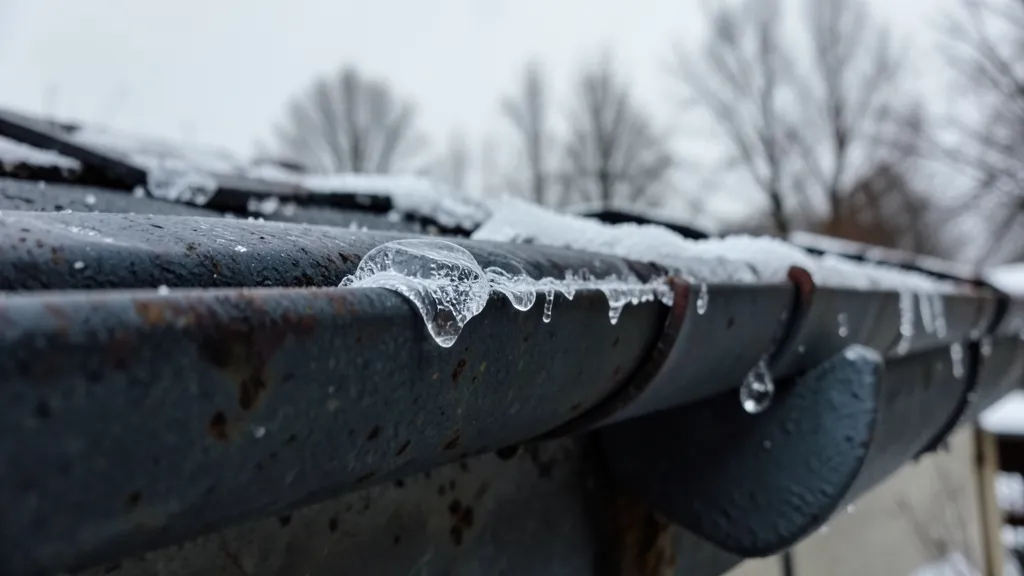
Ice dams form in winter when trapped water refreezes at the roof edge. These ridges force meltwater backward under shingles, causing leaks that often go unnoticed until spring.
Overflow erodes soil and washes away mulch, undermining landscaping. In severe cases, it can even destabilize patios or walkways near the drip line.
Pooled water near your home’s base can crack foundations or seep into basements. In Redmond’s clay-heavy soil, this risk is especially high.
Gutter Clogs vs. Downspout Blockages: What’s the Difference?
A gutter clog typically forms in the horizontal trough, where debris accumulates and blocks water flow. You’ll often see sagging or overflow at the seams.
Downspout clogs occur lower, where leaves or pine cones lodge in the vertical pipe. Water may back up and spill over the gutter’s edge, even if the trough itself seems clear.
| Issue | Common Signs | Solution |
|---|---|---|
| Gutter Trough Clog | Overflow at seams, sagging sections, visible debris | Scooping debris, flushing with water, resealing joints |
| Downspout Clog | Water spilling over gutter edges, no flow from downspout | Rodding or pressure-washing the downspout, installing strainers |
| Elbow or Outlet Clog | Water dripping behind the gutter, stains on fascia | Disassembling the elbow, clearing with a plumber’s snake |
How Often Should Redmond Homeowners Clean Gutters?
In our climate, twice-yearly cleaning is the bare minimum. Aim for late spring after seed drop and late fall once most leaves have fallen.
Homes near wooded areas like Education Hill or Grass Lawn may need quarterly service. Evergreens shed year-round, and windstorms can dump debris in a single night.
If you’ve installed gutter guards, inspections are still critical. Fine debris like cedar needles can slip through mesh screens, and guards themselves can trap moisture if not maintained.
After heavy wind or rain, do a quick visual scan for overflow or sagging. Catching a clog early can prevent weeks of hidden damage.
DIY vs. Professional Gutter Cleaning: What Redmond Homeowners Need to Know
DIY cleaning works for single-story homes with minimal debris. A sturdy ladder, gloves, and a gutter scoop are essential—but safety risks are real, especially on steep roofs.
Professionals bring specialized tools like gutter vacuums, pressure washers, and inspection cameras. We also spot early signs of damage, like separated seams or failing hangers, that homeowners often miss.
For homes in Sammamish or Woodinville with mature trees, the scale of debris often exceeds what a weekend DIY project can handle. Commercial properties or multi-story homes should always rely on pros.
Signs Your Gutters Are Begging for Attention
Water spilling over the sides during rain is the most obvious red flag. But subtle signs include peeling paint or rust stains on the fascia.
Moss or algae growth on the roof’s edge suggests chronic moisture. In Redmond’s damp climate, this can spread rapidly if gutters aren’t directing water away.
Sagging gutters or gaps at the seams indicate weight stress or corrosion. These issues won’t fix themselves—and they worsen with every rainstorm.
When to Call a Pro
- Gutters are sagging or pulling away from the roof
- Downspouts are clogged or disconnected
- You see water stains on interior walls or ceilings
- Ice dams formed the previous winter
- The system is over 10 years old and showing wear
Long-Term Solutions to Reduce Gutter Clogs
Gutter guards can cut maintenance by 50–70%, but they’re not a set-it-and-forget-it fix. Reverse-curve and mesh systems work best in our area, but all require periodic checks.
Resealing and resloping gutters during cleaning ensures proper drainage. Even a slight misalignment can create pockets where debris collects.
Trimming overhanging branches reduces leaf litter. Focus on maples, alders, and cedars within 10–15 feet of your roof. In neighborhoods like Grass Lawn, this can make a noticeable difference.
How to Inspect Your Gutters for Clogs
A quick inspection can reveal problems before they escalate.
- 1Safety First
Use a stable, extendable ladder on level ground. Never lean the ladder against the gutters themselves—they may not support your weight.
- 2Visual Scan from the Ground
Walk the perimeter of your home, looking for sagging sections, overflow marks, or plants growing in the gutters. Binoculars help spot issues on upper levels.
- 3Check Downspouts
Run a garden hose into the gutter near a downspout. If water doesn’t flow freely out the bottom, there’s a blockage. Tap the downspout—dull thuds suggest trapped debris.
- 4Inspect for Hidden Damage
Look for rust, peeling paint, or water stains on the fascia and soffits. These indicate prolonged moisture exposure from clogs or poor drainage.
- 5Test the Slope
Pour water into the gutter at the farthest end from a downspout. It should flow smoothly toward the outlet. Standing water means the slope is insufficient.
Frequently Asked Questions
Can clogged gutters cause roof leaks in Redmond homes?
Absolutely. Trapped water can seep under shingles, especially in older roofs or those with damaged flashing. In our rainy climate, this often leads to rot in the decking or leaks into attics.
How do I know if my gutter guards are working?
If water flows freely during rain and you see minimal debris in the gutters, they’re doing their job. However, fine particles like pine needles or shingle grit can still accumulate, so annual inspections are key.
Are seamless gutters worth it for Redmond homes?
Seamless gutters reduce leak points and are ideal for our heavy rainfall. They’re custom-fitted on-site, minimizing the risk of separation at joints—a common issue with sectional gutters in storm-prone areas.
When is the ideal time of year to clean gutters in the Pacific Northwest?
Late fall, after most leaves have dropped but before the heaviest rains, is ideal. A second cleaning in late spring tackles seed pods and pollen. Homes in Kirkland or Bellevue with heavy tree cover may need additional cleanings.
Can clogged gutters attract pests?
Yes. Standing water and decaying debris create breeding grounds for mosquitoes. Rodents and birds may also nest in clogged gutters, especially in quieter neighborhoods like Duvall.
Do I need to clean gutters if I have gutter guards?
Yes. Guards reduce debris buildup but don’t eliminate it. Fine particles can still enter, and guards themselves can trap moisture or debris on top, requiring occasional clearing.