How to Inspect Your Gutters After a Storm in Redmond
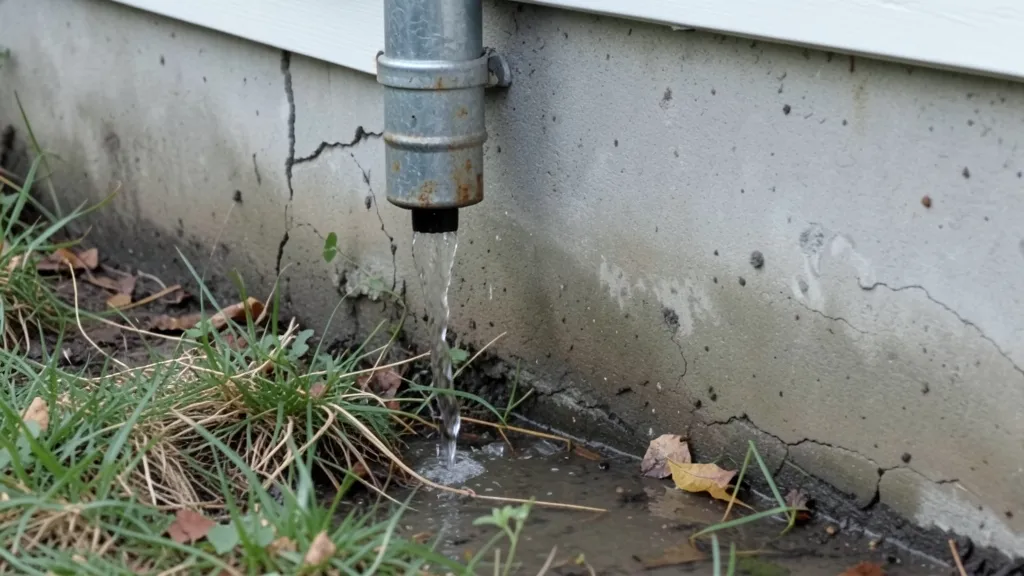
Storms in the Pacific Northwest can dump pine needles, maple seeds, and moss into your gutters in minutes. A quick post-storm inspection helps us catch clogs, sagging sections, or hidden damage before they turn into costly water intrusion or roof leaks.
Why Post-Storm Gutter Inspections Matter Here
Redmond’s wet winters and windy storms mean gutters take a beating. Clogged or damaged systems can’t channel water away from your foundation, leading to erosion, basement flooding, or even structural issues.
Even minor blockages from pine needles or seed pods can back up water under your roof line, causing rot in fascia and soffits. Catching these early saves you from bigger repairs down the road.
Water damage often starts unseen—behind siding or under eaves. A proactive inspection after every major storm is cheaper than last-minute gutter repair or roof fixes.
Safety First: Gear Up Before You Go Up
Never inspect gutters from a wobbly ladder or in wet, slippery conditions. Use a sturdy extension ladder with stabilizers, and have a spotter if you’re working near power lines or steep roofs.
Wear gloves to protect against sharp metal edges, debris, and potential mold or bacteria in stagnant water. Safety glasses are a must if you’re clearing overhead branches.
What to Look For: A Room-by-Room (or Roof-by-Roof) Guide
Start at the downspouts. Check for water pooling at the base or signs of overflow, like fresh erosion or washed-away mulch. These indicate clogs or improper drainage.
Move to the gutter runs. Look for sagging sections, which often mean failing hangers or excessive debris weight. Also, scan for gaps between seams or at end caps—common leak points.
Inspect the fascia and soffit for water stains, peeling paint, or rot. These are red flags that your gutters aren’t doing their job, especially after heavy rain in Kirkland or Bellevue.
| Issue | Likely Cause | Risk if Ignored |
|---|---|---|
| Clogged downspouts | Debris buildup (pine needles, leaves) | Water backs up, overflows, damages foundation |
| Sagging gutters | Failing hangers or excessive weight | Pulls away from roof, collects more debris |
| Water stains on fascia | Overflow or leaks at seams | Rots wood, attracts pests like carpenter ants |
| Pooling water near home | Improper slope or downspout placement | Erodes landscaping, risks basement flooding |
| Dents or cracks | Hail or falling branches | Reduces capacity, leads to rust or leaks |
Check the Downspouts—The Unsung Heroes
Downspouts should direct water at least 5–10 feet away from your foundation. If splash blocks are missing or misaligned, water pools where it shouldn’t, especially on Redmond’s clay-heavy soil.
Tap the downspout with a tool or your knuckle. A dull thud suggests a clog; a hollow sound means it’s clear. For stubborn blockages, use a plumber’s snake or hose from the top.
Run a hose into the gutter at the farthest point from the downspout. If water doesn’t flow out freely, there’s a clog. Repeat for each downspout.
Gutter Slope: The Silent Saboteur
Gutters should slope ¼ inch for every 10 feet toward the downspout. Use a level to check. If sections are flat or sloped the wrong way, water pools, debris collects, and rust accelerates.
In older homes near Sammamish or Woodinville, settling can shift gutters out of alignment. Resealing and resloping may be needed to restore proper drainage.
When to Call in the Pros
If you’re uncomfortable on a ladder, or your home has steep roofs or multiple stories, leave it to us. We have the right equipment and training to inspect safely and efficiently.
Signs you need professional help: extensive sagging, separated seams, rusted-through sections, or water damage spreading to your roof deck. We also handle gutter repair, resealing, and guard installation to prevent future issues.
For commercial properties in Duvall or large residential estates, our team can perform thorough inspections and provide detailed reports for maintenance planning.
Signs You Need a Pro
- Gutters pulling away from the roof
- Visible rust or holes in the gutter trough
- Water damage on interior walls or ceilings
- Downspouts detaching from the home
- Recurring clogs despite regular cleaning
Preventing Future Storm Damage
Gutter guards can reduce debris buildup, but they’re not maintenance-free. Pine needles and fine organic matter can still accumulate on top of screens, so periodic cleaning is key.
Trim overhanging branches, especially from Douglas firs or bigleaf maples common in the area. This cuts down on debris and reduces the risk of storm damage from falling limbs.
Consider upgrading to seamless gutters if your current system is old or prone to leaks. They’re custom-fitted to your home and have fewer failure points than sectional gutters.
How to Inspect Your Gutters After a Storm
Follow these steps to thoroughly check your system for damage or clogs.
- 1Wait for Dry Conditions
Never inspect gutters while it’s raining or immediately after. Wet surfaces are slippery, and debris is heavier and harder to clear.
- 2Ground-Level Visual Check
Walk around your home and look for overflow marks, sagging gutters, or water pooling near the foundation. Note any areas that need closer attention.
- 3Ladder Inspection
Safely ascend a ladder and check for clogs, dents, or separated seams. Remove visible debris by hand or with a gutter scoop.
- 4Test the Flow
Use a hose to flush the gutters. Water should flow smoothly to the downspouts. If it doesn’t, there’s a clog or slope issue.
- 5Check Downspouts and Drainage
Ensure downspouts are securely attached and direct water away from the home. Use a hose to confirm water exits the system properly.
- 6Document and Plan
Take photos of any damage or problem areas. Prioritize repairs based on severity, and request a quote for professional help if needed.
Frequently Asked Questions
How often should I inspect my gutters after storms in Redmond?
After every major storm, especially in fall and winter when debris is heavy. Even light storms can deposit enough pine needles or leaves to cause clogs. Aim for at least two inspections per year, plus after any extreme weather.
Can I just clean my gutters once a year?
Once a year isn’t enough here. The Pacific Northwest’s wet climate and abundant trees mean gutters need attention at least twice a year—more if you have overhanging branches or live in a wooded area like Sammamish.
What’s the most common gutter problem after a storm?
Clogged downspouts and gutter troughs are the top issues. Pine needles, maple seeds, and moss can create blockages that prevent proper drainage, leading to overflow and water damage.
How do I know if my gutters are sloped correctly?
Use a level to check the slope. Gutters should drop about ¼ inch for every 10 feet toward the downspout. If water pools in sections, the slope may be off, and resealing or resloping could be necessary.
Do gutter guards eliminate the need for inspections?
No. Guards reduce debris buildup but don’t eliminate it. Fine particles can still accumulate, and guards themselves can fail or become clogged. Regular inspections and maintenance remain essential.
What areas around Redmond are most prone to gutter issues?
Homes in wooded neighborhoods or near parks, like those in Kirkland, Bellevue, or Sammamish, tend to have more debris-related issues. Older homes in these areas may also have aging gutter systems that need updates or repairs.