Preventing Ice Dams in Redmond: A Winter Gutter Prep Guide
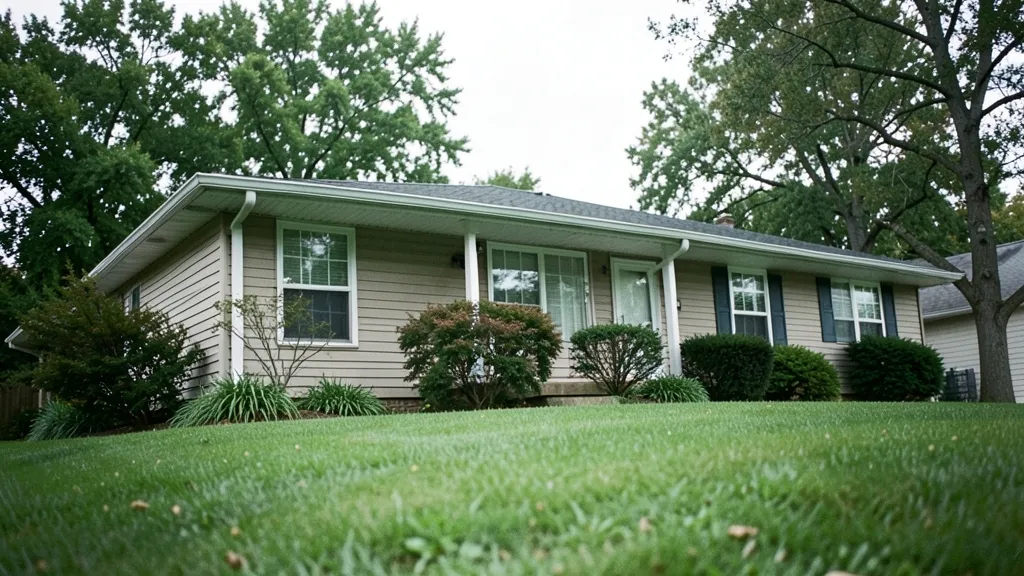
Ice dams are a silent winter menace in the Pacific Northwest, and Redmond’s wet, freezing conditions make homes here especially vulnerable. Proper gutter prep before the cold sets in is your best defense against costly roof and interior water damage.
Why Redmond Homes Are Prone to Ice Dams
Our region’s unique climate—frequent rain followed by sudden freezes—creates the perfect conditions for ice dams. Snow melts unevenly on roofs, refreezes at the colder eaves, and traps water that seeps under shingles.
Poor attic insulation and ventilation worsen the problem, as heat escapes from the home, warming the roof deck. Without proper gutter maintenance, clogged systems can’t channel meltwater away, accelerating dam formation.
The Role of Clean Gutters in Ice Dam Prevention
Clogged gutters are a primary culprit. When debris like pine needles, maple seeds, or moss blocks water flow, it pools and freezes, forming the base of an ice dam. Regular cleaning ensures meltwater has a clear path to downspouts.
In neighborhoods like Grass Lawn or Sammamish Plateau, overhanging trees make gutter clogs a seasonal certainty. We recommend a thorough cleaning before winter hits and again mid-season if heavy storms roll through.
Once ice forms, cleaning gutters becomes hazardous and less effective. Schedule your prep in late fall, before temperatures drop below freezing.
Gutter Guards: Help or Hinder Ice Dam Prevention?
Gutter guards can reduce debris buildup, but not all types are equal for ice dam prevention. Screen-style guards may still allow ice to form on top, while reverse-curve systems can prevent clogs but don’t stop ice dams entirely.
The best approach? Pair gutter guards with proper attic insulation and ventilation. In areas like Woodinville or Duvall, where tree cover is dense, guards are a smart investment—but they’re not a substitute for regular inspections.
| Guard Type | Clog Prevention | Ice Dam Impact | Best For |
|---|---|---|---|
| Screen/Mesh | High | Minimal (ice forms on top) | Areas with large leaves |
| Reverse-Curve | High | Moderate (reduces clogs, not ice) | Heavy debris zones |
| Foam/Brush | Low | None | Low-debris areas |
| Micromesh | Very High | Minimal | Pine needle-heavy zones |
Attic Insulation and Ventilation: The Hidden Defenders
Even spotless gutters won’t stop ice dams if your attic isn’t properly insulated and ventilated. Heat escaping from the living space warms the roof, causing uneven snowmelt. The fix? Seal air leaks and add insulation to the attic floor.
Ridge vents, soffit vents, or gable vents ensure cold air circulates under the roof deck, keeping temperatures consistent. In older Redmond homes, we often find inadequate ventilation—especially in vaulted ceilings or complex roof designs.
The Pacific Northwest’s climate demands R-38 to R-49 insulation for attics. If yours falls short, upgrading can cut heat loss by up to 50%.
Downspout Maintenance: The Overlooked Critical Step
Clean gutters are useless if downspouts are clogged or improperly sloped. Water backs up, freezes, and contributes to ice dams. Ensure downspouts direct water at least 5 feet away from the foundation to prevent refreezing at the base.
In hilly areas like Bellevue or Kirkland, downspouts may need extensions or splash blocks to handle steeper runoff. We also recommend checking for rust, cracks, or loose joints—common issues in our damp climate.
When to Call in the Pros for Gutter and Roof Inspection
Some signs of ice dam risk aren’t visible from the ground. A professional gutter and roof inspection can reveal hidden issues: sagging gutters, improper pitch, or early-stage water damage under eaves.
We also assess downspout alignment, fascia integrity, and gutter slope. In Redmond’s older neighborhoods, like Overlake, gutters may have settled over time, creating low spots where water pools and freezes.
Red Flags That Require a Pro
- Gutters pulling away from the fascia
- Water stains or peeling paint under eaves
- Ice or icicles forming repeatedly in the same spots
- Downspouts draining too close to the foundation
- Visible rust, holes, or cracks in gutters
Emergency Measures for Existing Ice Dams
If an ice dam has already formed, don’t chip away at it—this can damage shingles and make leaks worse. Instead, create channels for water to escape using a calcium chloride ice melt tablet in a nylon stocking placed vertically across the dam.
For severe cases, heat cables (installed in a zigzag pattern along the roof edge) can melt channels. However, these are temporary fixes. Long-term solutions require addressing insulation, ventilation, and gutter health.
Rock salt (sodium chloride) can damage gutters, downspouts, and landscaping. Stick to calcium chloride for safer ice dam mitigation.
Year-Round Gutter Care to Prevent Winter Headaches
Preventing ice dams starts with consistent gutter maintenance. Schedule cleanings in spring and fall, and after major storms. In Redmond, where maple and cedar trees shed heavily, more frequent cleanings may be necessary.
Consider gutter resealing or resloping if water isn’t draining efficiently. Small fixes now prevent big problems later—like ice dams, fascia rot, or even foundation damage from improper drainage.
How to Inspect Your Gutters for Ice Dam Risks
A quick pre-winter inspection can reveal vulnerabilities before they turn into ice dams.
- 1Check for Debris
Remove leaves, pine needles, and sediment from gutters and downspouts. Use a gutter scoop or gloved hands, and flush with a hose to test drainage.
- 2Test Gutter Slope
Pour water into the gutter with a hose. It should flow toward the downspout without pooling. If it doesn’t, your gutters may need resloping.
- 3Inspect Downspouts
Ensure downspouts are securely attached and direct water away from the foundation. Use a plumber’s snake to clear any internal clogs.
- 4Look for Damage
Check for rust, cracks, or sagging sections. Pay special attention to seams and joints, where leaks often start.
- 5Assess Roof and Attic
From the ground, look for uneven snowmelt or icicles. Inside, check the attic for adequate insulation and ventilation. Warm spots on a cold roof indicate heat loss.
Frequently Asked Questions
How often should I clean my gutters in Redmond to prevent ice dams?
Twice a year—once in late fall and again in early spring—is the minimum. If you have overhanging trees (common in Sammamish or Woodinville), consider cleaning every 3-4 months or after major storms.
Can gutter guards eliminate ice dams entirely?
No. Gutter guards reduce clogs but don’t address the root causes: poor insulation, ventilation, or heat loss. They’re a helpful addition but not a standalone solution for ice dam prevention.
What’s the most common cause of ice dams in Redmond homes?
The freeze-thaw cycle, combined with poor attic insulation and ventilation. Heat escaping from the home melts snow on the roof, which then refreezes at the colder eaves, forming a dam.
Are heat cables worth installing for ice dam prevention?
Heat cables can provide temporary relief by melting channels in existing ice dams. However, they’re not a long-term fix. For lasting results, focus on improving insulation, ventilation, and gutter maintenance.
How do I know if my attic insulation is inadequate?
Signs include uneven snowmelt on your roof, icicles forming repeatedly, or high heating bills. An inspection can reveal thin or compressed insulation, gaps, or missing vapor barriers—common in older Redmond homes.
Do I need to clean gutters if I have gutter guards installed?
Yes. While guards reduce debris buildup, they don’t eliminate it entirely. Fine particles like pine needles or moss can still accumulate, especially in areas with heavy tree cover like Kirkland or Bellevue.