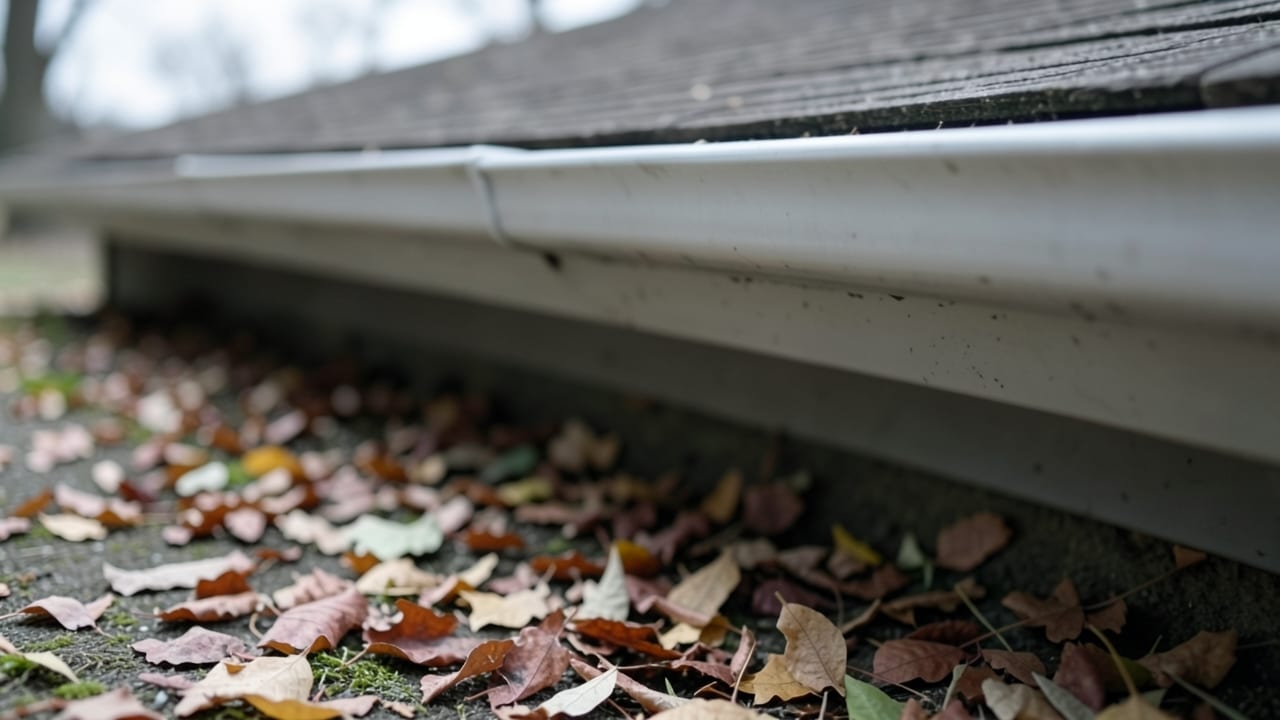
Clogged Gutter Debris Removal
Removal of leaves, twigs, and sediment from gutters to restore proper water flow.
Clogged gutter debris removal in Redmond, WA, restores proper water flow by clearing accumulated leaves, twigs, and sediment from gutters and downspouts. This prevents roof damage, foundation issues, and costly repairs by ensuring debris doesn’t block drainage during storms. Local crews prioritize thorough cleaning, hardware checks, and downspout testing to confirm the system works as intended.
When to call for clogged gutter cleaning
Clogged gutters often announce themselves before becoming a major issue. Look for water visibly overflowing the front edge during storms, weeds or seedlings growing directly from the trough, or dark streaks on siding below the gutter line—all signs of trapped debris and standing water.
We also handle Storm Damage Gutter Cleanup and Gutter Replacement for Redmond properties.
Other red flags include sagging gutters, separated seams, or nests (birds, wasps, rodents) inside the trough. These indicate long-term buildup or structural damage that requires immediate attention to avoid water damage or further deterioration.
Signs Your Gutters Need Cleaning
- Water overflowing the gutter edge during rain (even light storms)
- Weeds, grass, or seedlings growing from the gutter trough
- Dark streaks on siding directly below the gutter line (water overflow)
- Sagging or pulling-away sections of the gutter
- Nests (birds, wasps, rodents) inside the gutter system
- Debris visibly blocking downspout outlets from the ground
What affects pricing and timing?
The frequency of gutter cleaning depends on what’s dropping into them. Properties under heavy pine or leaf canopy may need clearing more than twice a year, while homes with minimal overhanging growth might only require it annually. Trimming branches that overhang the roofline directly can significantly extend time between cleanings.
Pricing varies based on house size, debris load, and whether downspouts are included. Two-story homes or steep roofs add 25–40% to the cost due to extra ladder work and safety setup. Always confirm whether the quote includes downspout clearing, debris disposal, and a hardware inspection.
Common mistakes to avoid
DIY attempts to clear gutters often push debris deeper into downspouts, turning a surface clean into a hidden clog. Using a ladder improperly—resting it directly on the gutter edge instead of the fascia—can also bend or pull sections away from the home, creating new damage.
Skipping a hardware check during cleaning can miss loose brackets or failing fasteners, which may lead to sagging or separation over time. Always ensure the crew inspects brackets, spikes, and end caps while they’re already at the gutter line.
Clearing debris away from downspouts (instead of toward them) can shove loosened material deeper into the system. Resting a ladder on the gutter edge—rather than the fascia—risks bending or pulling sections away, requiring costly repairs.
How clogged gutter debris removal works
A thorough cleaning goes beyond surface debris to ensure proper drainage and catch potential damage early.
- 1Roofline and Gutter Walkthrough
The crew begins with a visual inspection of the roofline to identify sagging sections, separated seams, or downspouts already showing signs of clogs. This sets the scope of the job based on what’s actually present, not assumptions from the ground.
- 2Hand Removal of Debris
Leaves, seed pods, and shingle grit are cleared manually or with a small scoop, working *toward* the downspout outlets. This prevents loosened debris from being pushed deeper into partially blocked sections.
- 3Downspout Flush Test
Water is run through each downspout from the top to confirm it exits freely at the bottom. This step proves the system is fully functional, as a clean trough with blocked downspouts will still overflow in the next storm.
- 4Hardware and Fastener Check
Loose brackets, pulled spikes, and separating end caps are noted while the crew is at the gutter line. Addressing these failures early prevents sagging or detachment during future storms.
- 5Rinse-Down and Documentation
The gutter exterior and roofline are rinsed to remove dust, and photos of the cleared trough and hardware condition are kept on file. This serves as a record of what was found and cleared, not just for appearance.
Frequently asked questions
How do I know if my gutters are clogged enough to need cleaning?
Look for water overflowing the gutter edge during rain, weeds growing from the trough, or dark streaks on siding below the gutter line. These are clear signs of trapped debris and standing water, even if the clog isn’t fully visible from the ground.
Will cleaning my gutters also fix sagging or pulling-away sections?
Cleaning removes the weight of debris, making sagging or separation more visible. However, the crew will note any hardware issues (loose brackets, spikes) during the inspection, which may need repairs to restore proper alignment.
How often should gutters be cleaned in Redmond, WA?
Properties under heavy pine or leaf canopy may need cleaning 2–3 times a year, while homes with minimal overhanging growth might only require it annually. Trimming branches that overhang the roofline directly can help extend time between cleanings.
Does the price include clearing downspouts, or is that extra?
A full cleaning should always include downspout clearing, as blocked downspouts negate the benefit of a clean gutter. Always confirm whether the quote specifies linear footage, story count, and whether debris disposal is included.
Where Redmond sits, and what the Census lists nearby
Redmond sits in Washington, and the closest places listed in the U.S. Census Gazetteer are Union Hill-Novelty Hill (4.3 miles east), Kirkland (4.3 miles west), Cottage Lake (5.1 miles north), Yarrow Point (5.4 miles southwest). Within 25 miles of Redmond the same source lists 104 distinct incorporated places and census-designated places. Those figures matter for clogged gutter debris removal because they are straight-line distances between Census coordinate points: road mileage between Redmond and Union Hill-Novelty Hill runs longer than the 4.3 miles shown, which is why quotes for the same job differ between towns that look close together on a map. Source: U.S. Census Bureau Gazetteer.
See Issaquah, WA for more, or discover the full gutter cleaning lineup we run in Redmond before booking for our complete lineup.
Ready to get started?
Talk to a local gutter cleaning pro in Redmond — get a written quote.
Other Gutter Cleaning Services in Redmond
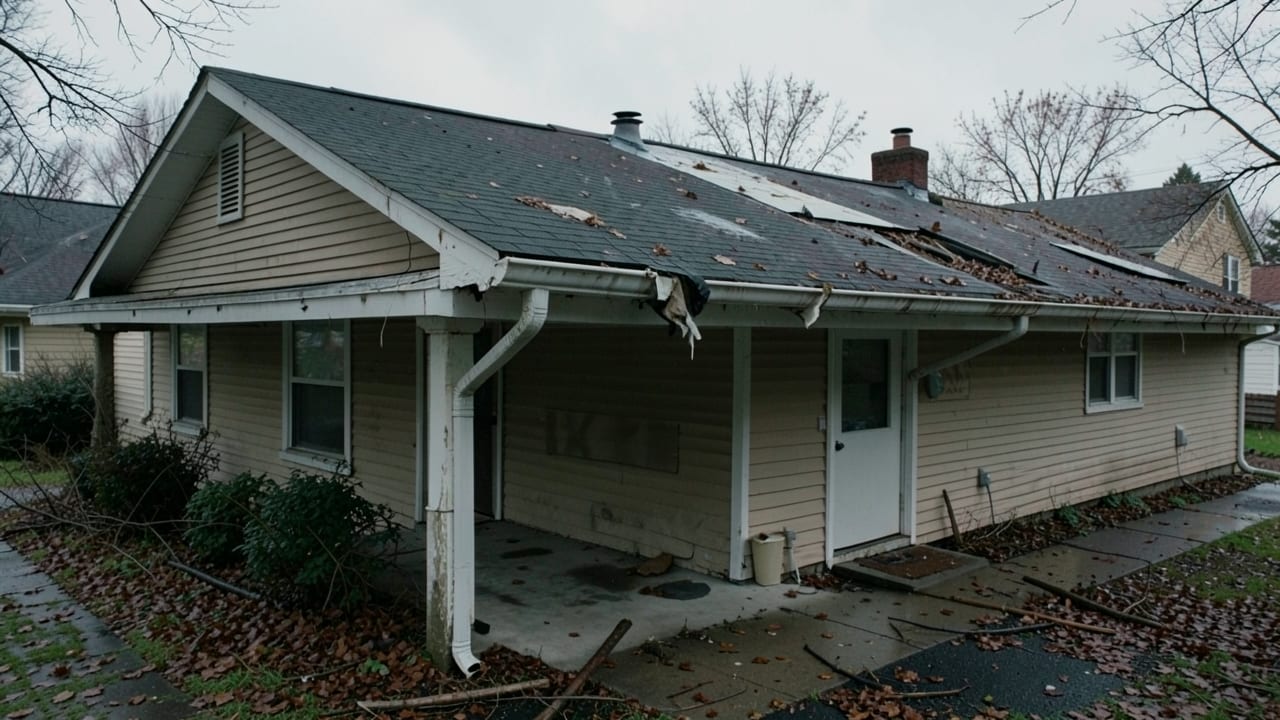
Storm Damage Gutter Cleanup in Redmond, WA
Storm damage gutter cleanup in Redmond, WA clears debris and repairs sections torn loose or bent by wind, hail, or heavy rain.
Learn More
Gutter Replacement in Redmond, WA
Full gutter replacement in Redmond, WA — new seamless aluminum gutters and downspouts when repair is no longer cost-effective.
Learn More
Seamless Gutter Installation in Redmond, WA
Seamless gutter installation in Redmond, WA — aluminum gutters formed on-site to the exact run length, no sectional seams to leak.
Learn More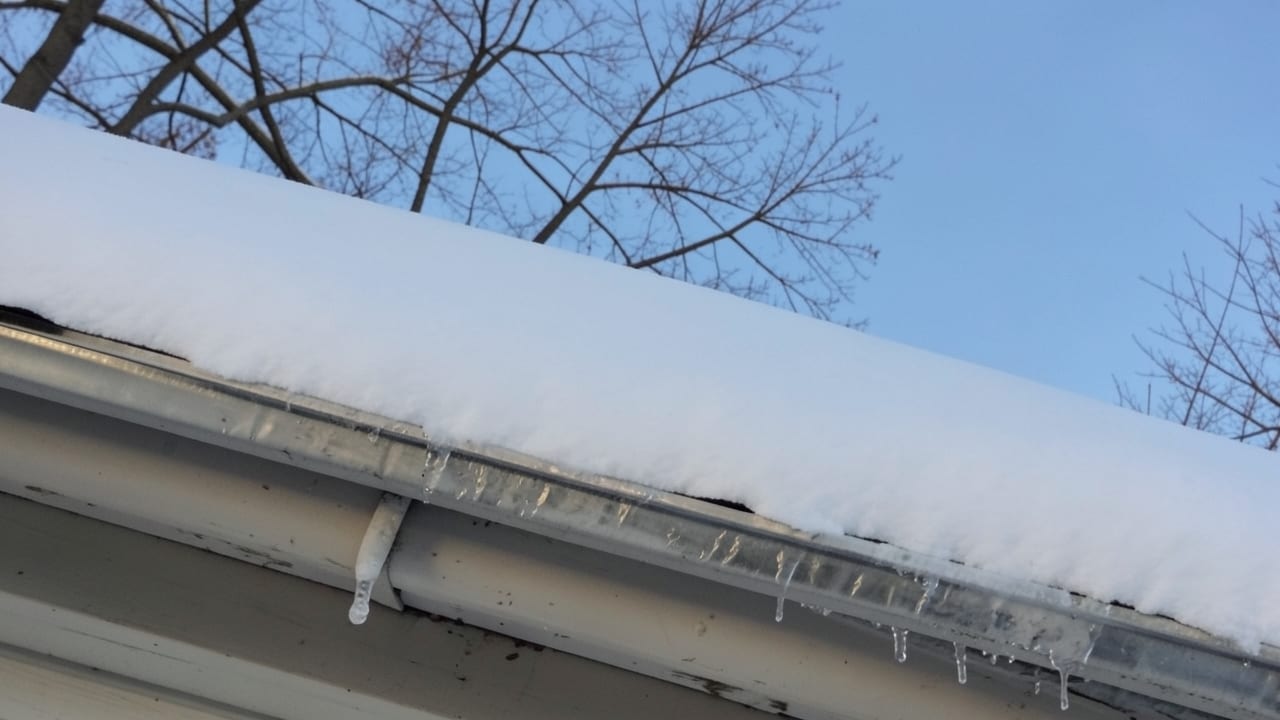
Ice Dam Removal in Redmond, WA
Ice dam removal in Redmond, WA clears ice buildup at the roof edge before it backs water up under shingles.
Learn More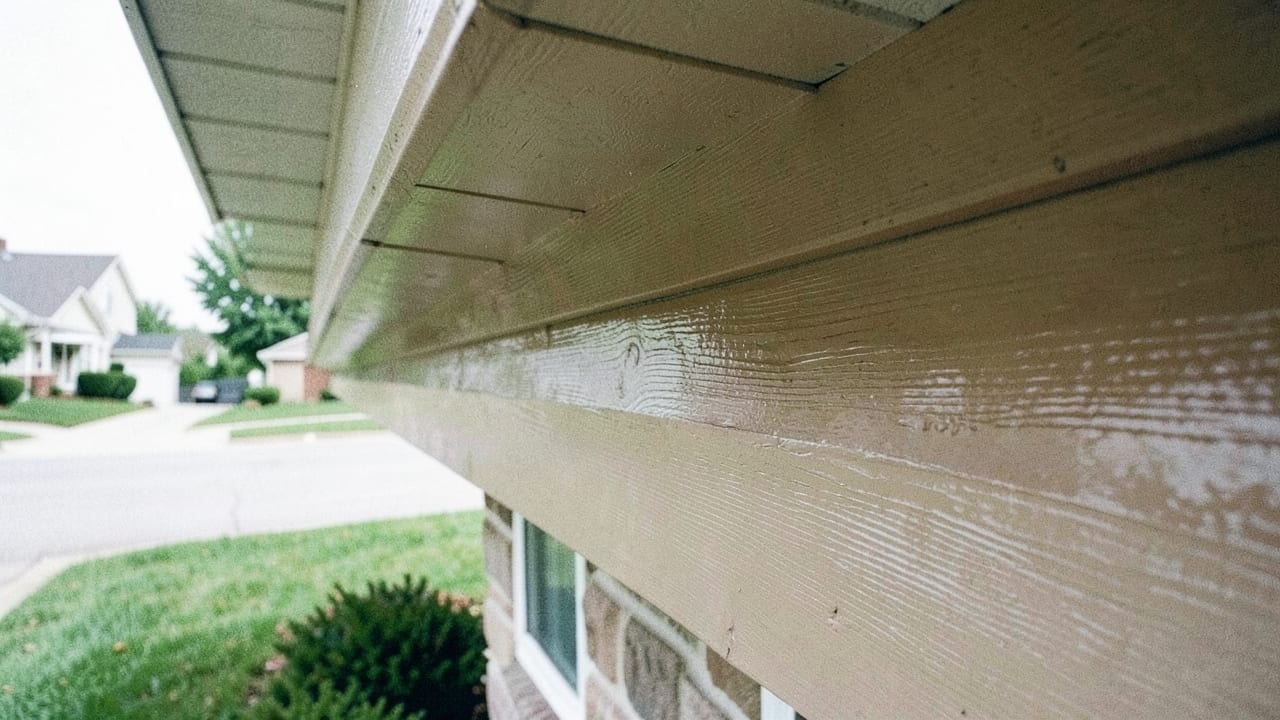
Fascia & Soffit Repair in Redmond, WA
Fascia and soffit repair in Redmond, WA fixes the trim boards gutters mount to, often damaged by long-term overflow or water intrusion.
Learn More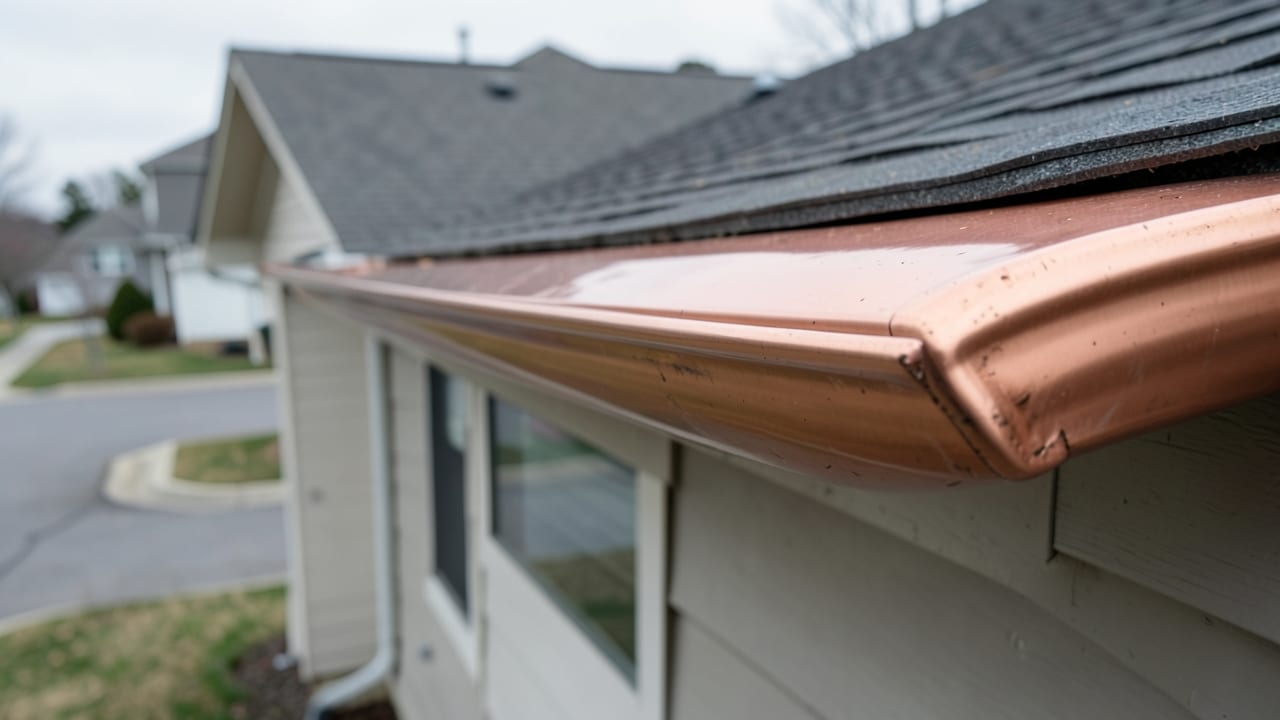
Copper Gutter Installation in Redmond, WA
Professional installation of copper gutters for durable, long-lasting drainage.
Learn MoreCommon Questions About Gutter Cleaning in Redmond
Everything you need to know about gutter cleaning services in Redmond
How much does Clogged Gutter Debris Removal typically cost in Redmond, WA?
How does tree cover around Redmond, WA change gutter maintenance needs?
Is cleaning gutters a reasonable DIY project?
Does a standard gutter cleaning include the downspouts, or just the troughs?
Why do two-story homes typically cost more for gutter cleaning than one-story homes?
Does Clogged Gutter Debris Removal require a special license in WA?
Need Gutter Cleaning in Redmond?
Get a written quote from our Redmond crew.
⏰ We answer your call • Serving all of Redmond and surrounding areas