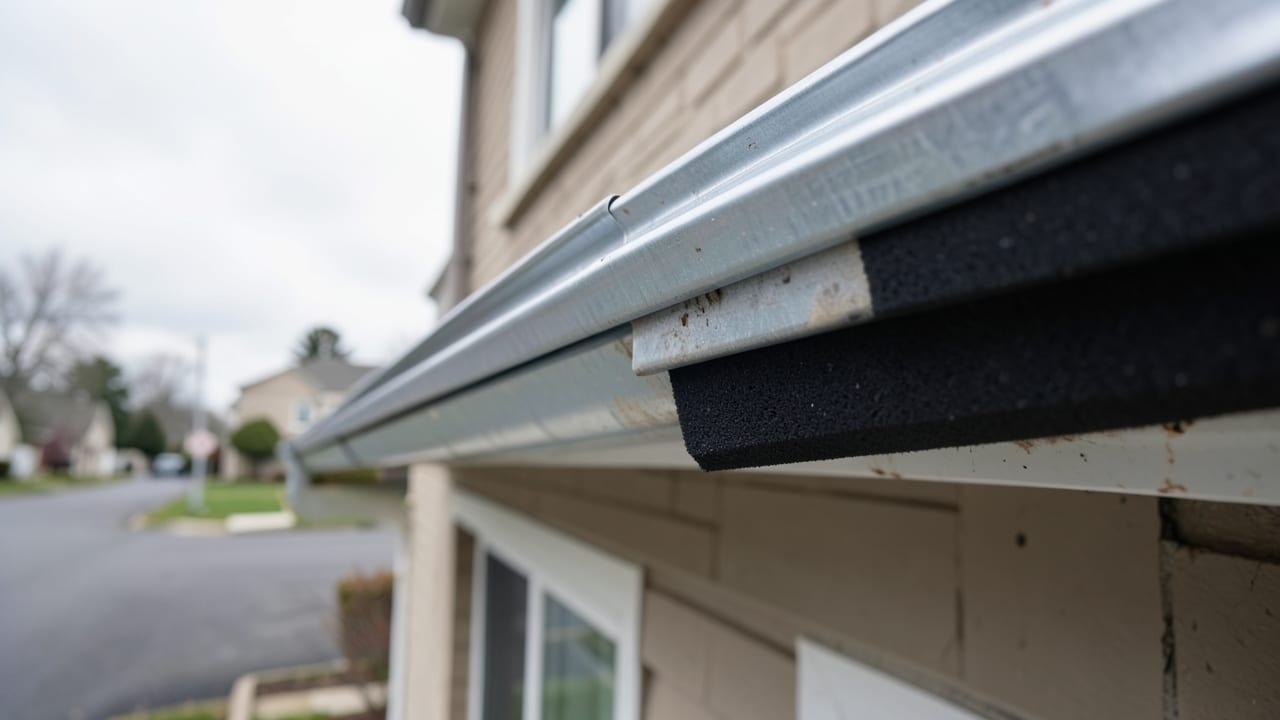
Gutter Foam Insert Installation
Installation of foam inserts into gutters to reduce debris buildup and improve water flow.
Gutter foam insert installation in Redmond, WA, helps homeowners reduce frequent gutter cleaning by blocking leaves and debris while allowing water to flow freely. Ideal for properties surrounded by heavy foliage, this solution minimizes clogging and maintains proper drainage, especially in areas prone to pine needles, seed pods, and seasonal leaf fall.
When foam inserts are the right solution
Foam gutter inserts are best suited for homes that experience recurring gutter clogs, particularly those with mature trees shedding leaves, pine needles, or seed pods. If you find yourself cleaning gutters multiple times a year—especially during predictable seasonal drops—foam inserts can significantly cut back on maintenance.
We also handle Vinyl Gutter Installation and Aluminum Gutter Installation for Redmond properties.
However, they aren’t a fix for underlying drainage issues. If your gutters already slope incorrectly or have structural damage like sagging or rust, installing foam inserts won’t resolve the root problem. A proper inspection and pitch adjustment are critical before considering any guard system.
Signs You Need Foam Inserts
- Gutters clog multiple times a year, especially under trees dropping leaves or pine needles.
- Water overflows during heavy rain despite light rain draining fine—indicating debris buildup.
- Fine grit, sand, or asphalt granules accumulate faster than leaves, packing down instead of blowing away.
- Existing guards are sagging, gapped at seams, or covered in debris, failing to prevent clogs.
What affects cost and installation?
The cost of gutter foam insert installation in Redmond varies based on the length of the gutter run, the type of foam used, and whether additional services like downspout clearing are included. Basic foam inserts typically cost less than premium micro-mesh systems, but the latter may offer better long-term protection against fine debris.
Labor costs also depend on roof accessibility, pitch, and whether the gutters require cleaning or repairs before installation. A thorough inspection ensures the system works as intended without trapping water or debris underneath.
Common pitfalls to avoid
Installing foam inserts over existing debris traps that material permanently, defeating the purpose of the guard. Always clear gutters thoroughly before installation. Similarly, guards won’t fix poor gutter pitch—water will still pool if the gutter slopes the wrong way.
Gaps at corners, seams, or downspouts are prime entry points for debris. Proper mitering and sealing during installation are essential to maintain effectiveness. Regular post-installation checks after storms can catch shifted sections or new gaps before they become major issues.
Avoid quotes that exclude downspout clearing, debris disposal, or damage inspection. Flat-rate pricing without linear footage or story count can hide unexpected costs. Always request a written scope of work to confirm what’s included.
How gutter foam insert installation works
A professional installation ensures foam inserts block debris while allowing water flow.
- 1Inspect and Measure Gutters
The existing gutter run is measured and checked for sag, rust, or improper pitch. A guard won’t fix drainage issues if the gutter itself is flawed.
- 2Clear Existing Debris
All leaves, pine needles, and grit are removed before installation. Guards trap debris underneath if left uncleared, rendering them ineffective.
- 3Cut and Fit Foam Strips
Foam sections are cut to length and mitered at corners and downspout outlets to prevent gaps where debris can enter.
- 4Secure the Inserts
Foam strips are fastened to the gutter’s front lip and back edge, avoiding roof penetrations that could compromise waterproofing.
- 5Test Water Flow
Water is simulated at heavy-rain rates to confirm proper shedding into the gutter. Adjustments are made if pooling or sheeting occurs.
Frequently asked questions
Will foam inserts stop all gutter clogs?
No. While foam inserts block most leaves and large debris, fine grit like sand or asphalt granules can still accumulate. They reduce maintenance frequency but don’t eliminate it entirely—regular rinsing of the guard surface helps maintain effectiveness.
Do I need to clean my gutters before installing foam inserts?
Yes. Any existing debris must be cleared first. Installing guards over standing leaves or grit traps that material underneath, making the system ineffective from the start.
How long do foam gutter inserts last?
With proper installation and minimal UV exposure (shaded gutters last longer), foam inserts typically last 5–10 years. Over time, they may degrade or accumulate debris on their surface, requiring replacement or rinsing.
Can I install foam inserts myself?
While DIY kits exist, professional installation ensures proper fitting, sealing, and testing. Mistakes like gaps at seams or incorrect pitch can turn inserts into debris traps instead of solutions.
Where Redmond sits, and what the Census lists nearby
Redmond sits in Washington, and the closest places listed in the U.S. Census Gazetteer are Union Hill-Novelty Hill (4.3 miles east), Kirkland (4.3 miles west), Cottage Lake (5.1 miles north), Yarrow Point (5.4 miles southwest). Within 25 miles of Redmond the same source lists 104 distinct incorporated places and census-designated places. Those figures matter for gutter foam insert installation because they are straight-line distances between Census coordinate points: road mileage between Redmond and Union Hill-Novelty Hill runs longer than the 4.3 miles shown, which is why quotes for the same job differ between towns that look close together on a map. Source: U.S. Census Bureau Gazetteer.
See Kirkland, WA for more, or explore the gutter cleaning work we do around Redmond on a single page for our complete lineup.
Ready to get started?
Talk to a local gutter cleaning pro in Redmond — get a written quote.
Other Gutter Cleaning Services in Redmond
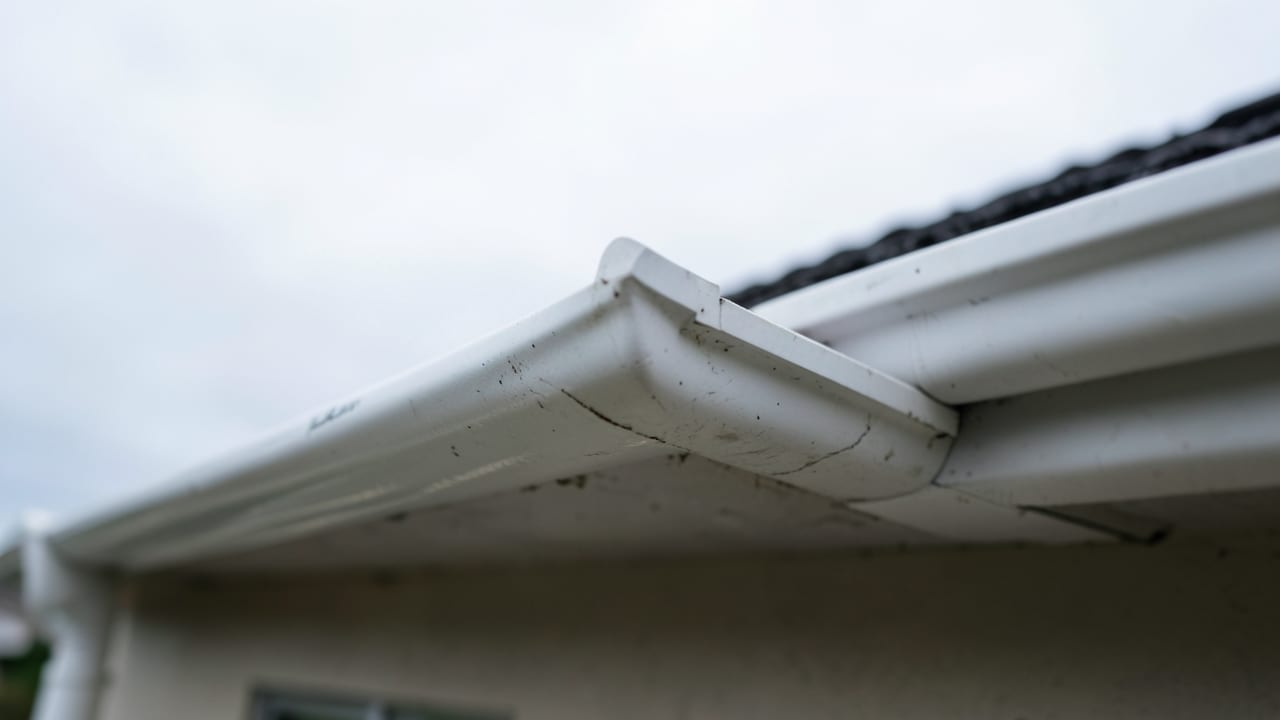
Vinyl Gutter Installation in Redmond, WA
Professional installation of vinyl gutters to direct rainwater away from the home.
Learn More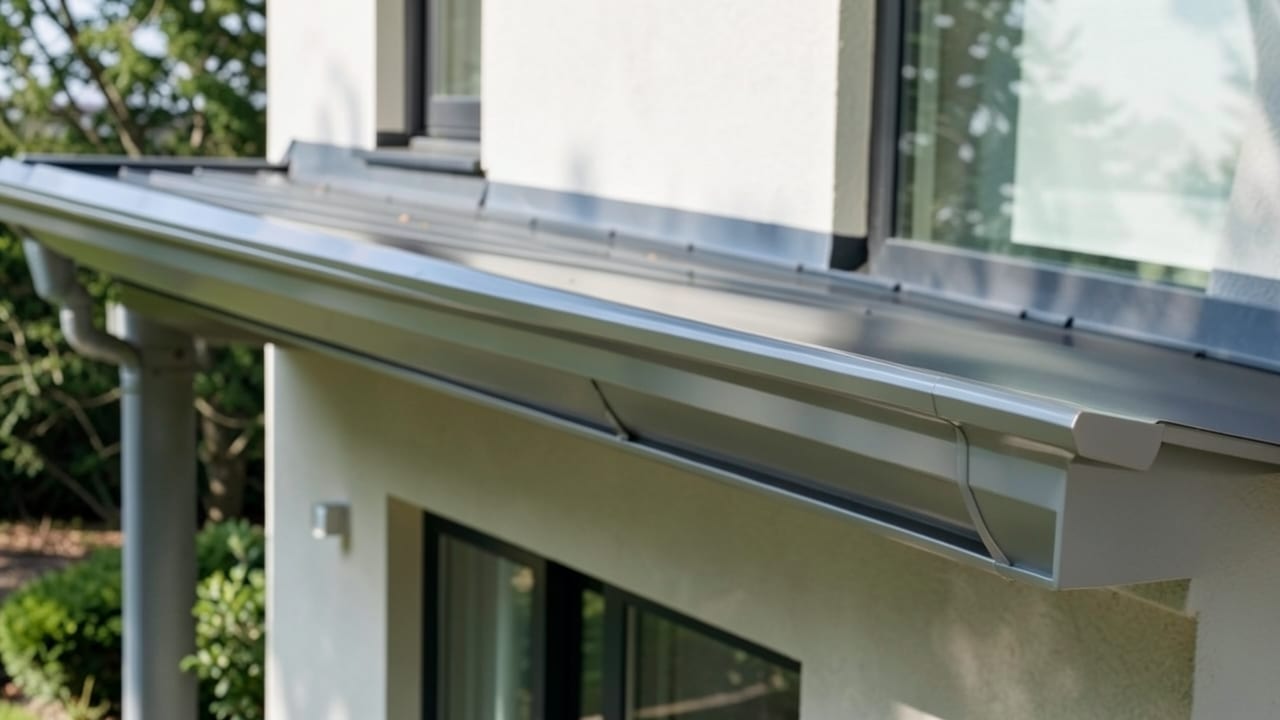
Aluminum Gutter Installation in Redmond, WA
Professional installation of aluminum gutters to manage rainwater runoff effectively.
Learn More
Steel Gutter Installation in Redmond, WA
Professional installation of steel gutters to manage rainfall and protect home foundations.
Learn More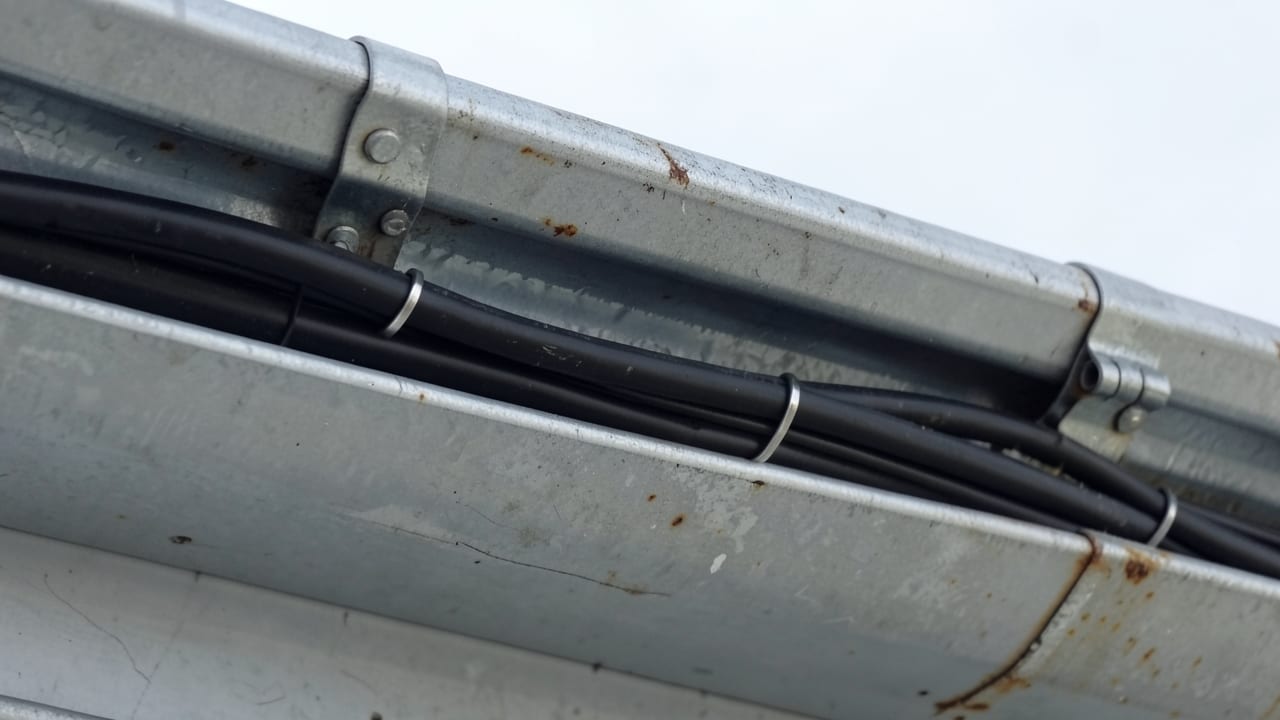
Gutter Heating System Installation in Redmond, WA
Installation of heating systems in gutters to prevent ice dams and clogging.
Learn More
Gutter Paint Touch-Up in Redmond, WA
Touching up chipped or faded gutter paint to restore appearance and protection.
Learn More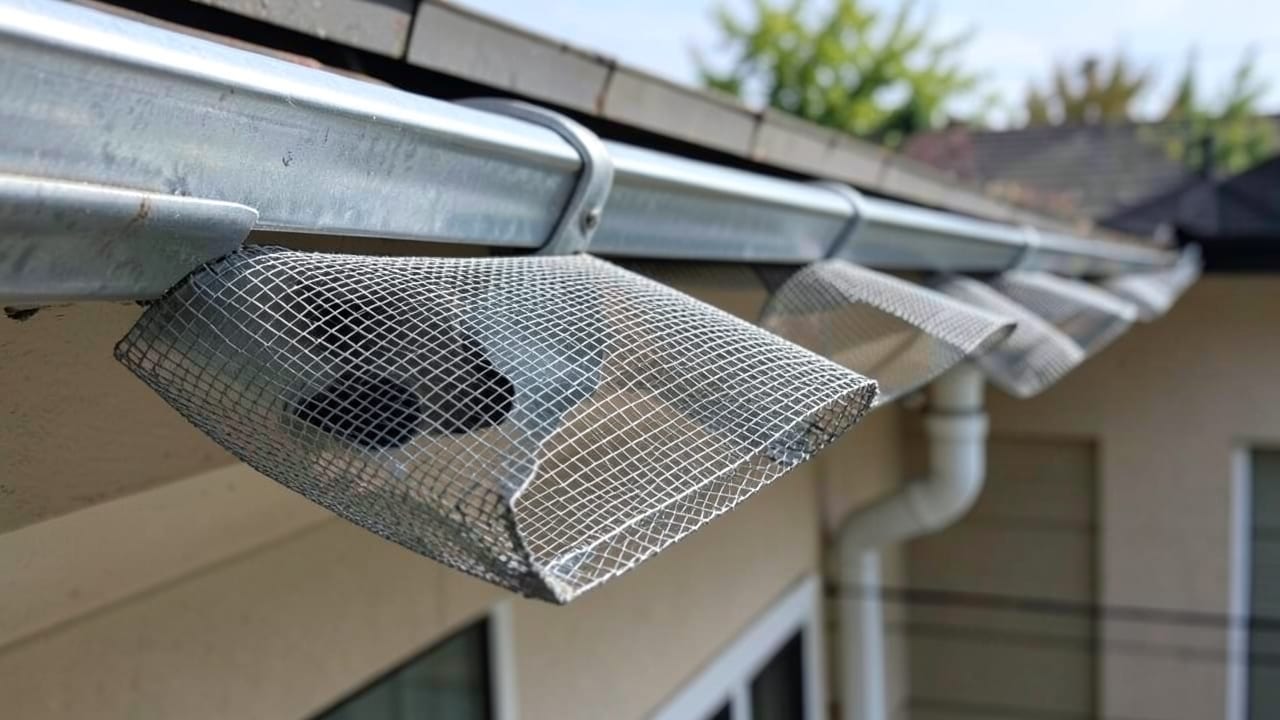
Gutter Screen Installation in Redmond, WA
Installation of gutter screens to prevent debris buildup and improve water flow.
Learn MoreCommon Questions About Gutter Cleaning in Redmond
Everything you need to know about gutter cleaning services in Redmond
How much does Gutter Foam Insert Installation typically cost in Redmond, WA?
How does tree cover around Redmond, WA change gutter maintenance needs?
Is cleaning gutters a reasonable DIY project?
Does a standard gutter cleaning include the downspouts, or just the troughs?
Why do two-story homes typically cost more for gutter cleaning than one-story homes?
Does Gutter Foam Insert Installation require a special license in WA?
Need Gutter Cleaning in Redmond?
Get a written quote from our Redmond crew.
⏰ We answer your call • Serving all of Redmond and surrounding areas