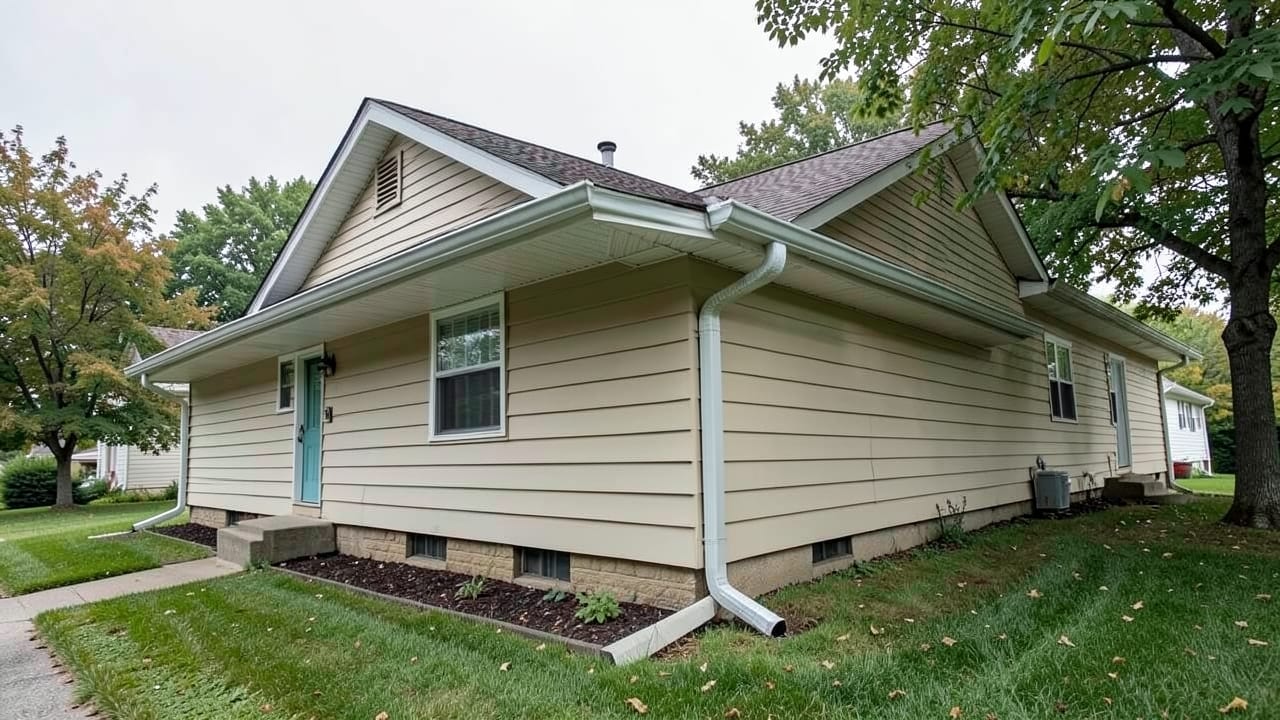
Overflowing Gutter Water Diversion
Redirecting excess gutter water to prevent damage and erosion around the home.
In Redmond, WA, overflowing gutter water diversion prevents foundation erosion and landscaping damage by redirecting stormwater safely away from your home. Clogged or undersized gutters force water to spill over, risking basement leaks and structural harm. A professional assessment and adjustment of downspouts, splash blocks, or underground piping resolve the issue while inspecting for hidden damage like sagging sections or loose hardware.
Signs your gutters need overflow protection
Visible water spilling over the gutter edge during storms is the clearest sign of a clog or undersized system. Even small overflows can erode soil near your foundation, leading to cracks or basement leaks over time. Look for dark streaks on siding directly below a gutter section—these mark where water is escaping and pooling.
We also handle Fascia & Soffit Repair and Copper Gutter Installation for Redmond properties.
Weeds, grass, or seedlings growing *inside* the gutter trough indicate long-term debris buildup, as organic matter decomposes into a nutrient-rich medium. Nests (birds, wasps, or rodents) also signal neglected gutters, as routine cleaning disrupts them. Sagging sections or gaps between the gutter and fascia board mean the system is already failing under the weight of standing water.
What to Check Before Calling for Service
- Water visibly overflowing the front edge of gutters during rain (even light clogs cause this).
- Dark streaks or stains on siding *directly below* a gutter section (points to overflow at that spot).
- Weeds, grass, or seedlings growing *inside* the gutter trough (debris buildup over months).
- Sagging or pulling-away gutter sections (indicates structural stress from standing water).
- Nests (bird, wasp, or rodent) inside the gutter (signals lack of recent maintenance).
- Debris (leaves, twigs) piled at downspout outlets (blocks water flow even if the trough looks clear).
What affects pricing and timing?
The frequency of gutter clearing depends entirely on what’s dropping into them. Properties under heavy pine or deciduous trees (like those common in Redmond’s wooded areas) need cleaning **twice a year or more**, while homes with minimal overhanging branches may only require it once. Trimming branches that *directly* overhang the roofline—especially those touching the house—reduces debris load significantly.
Pricing varies by scope, not just linear footage. Two-story homes add **25–40%** to the cost due to extra ladder work and safety setup. Downspout clearing, debris haul-away, and hardware checks (like loose brackets) are often billed separately if not included upfront. Always confirm whether the estimate covers *all* components of the system, not just the trough.
Common pitfalls in DIY or low-bid cleaning
Pushing debris *away* from downspouts during cleaning can turn a surface clean into a hidden clog deeper in the system. Loosened leaves and grit often get shoved into the downspout opening, where they compact and block water flow—only to cause overflow in the next storm. A proper clean works *toward* the downspout, not away from it.
Resting a ladder directly on the gutter edge (instead of the fascia or roofline) can bend or pull sections away from the house. Gutters aren’t built to support ladder weight, and a damaged section may require full replacement. Similarly, a visual check from the ground can miss loose hangers or separated seams hidden under debris—these only become visible once the trough is cleared.
Avoid flat-rate prices with no mention of linear footage, story count, or downspout clearing—these often exclude critical steps. Reluctance to provide a *written scope* before work starts is another warning sign, as disputes over what was promised become harder to resolve. Always confirm debris disposal (haul-away vs. left on-site) and whether hardware checks are included.
How overflowing gutter water diversion works
A professional service combines debris removal, system testing, and hardware inspection to ensure water is safely redirected.
- 1Roofline and Gutter Walkthrough
The crew inspects the roofline for sagging sections, separated seams, or downspouts showing clog signs *before* touching debris. This sets the scope of work based on what’s physically present, not assumptions from the ground.
- 2Hand Removal of Debris
Leaves, seed pods, and shingle grit are cleared *toward* downspout outlets using hand tools or small scoops. Working away from the downspout risks pushing loosened debris deeper into blockages.
- 3Downspout Flush Test
Water is run through each downspout from the top to confirm free flow. A clean trough with blocked downspouts still overflows in storms, so this step proves the system’s functionality.
- 4Hardware and Fastener Check
Loose brackets, pulled spikes, or separating end caps are noted while the crew is at the gutter line. Catching failing hardware during cleaning prevents costly repairs later.
- 5Rinse-Down and Photo Documentation
The gutter and roofline are rinsed to remove dust, and photos of cleared sections and hardware condition are kept on file as a record—not for appearance, but to track issues over time.
Frequently asked questions
How do I know if my gutters need overflow protection instead of just a regular cleaning?
If water is visibly spilling over the front edge during rain *or* you see dark streaks on siding below specific gutter sections, those are signs of overflow. Regular cleanings remove debris but don’t address structural issues like undersized gutters or blocked downspouts, which require diversion adjustments.
Will trimming my trees reduce how often I need gutter cleaning?
Yes—trimming branches that *directly overhang the roofline* (especially those touching the house) cuts down on debris load significantly. General yard trimming helps, but targeted pruning of overhanging limbs has the biggest impact on reducing cleaning frequency.
Why does the quote vary so much between companies for the same house?
Pricing depends on whether downspouts, debris haul-away, and hardware checks are included; whether the estimate is per linear foot or flat-rate; and whether multi-story or steep-roof add-ons are disclosed upfront. Always ask for a *written scope* to compare apples to apples.
Can I do this myself, or does it require a professional?
While you can remove debris, assessing *where* water overflows and installing proper diversions (like downspout extensions or underground piping) requires expertise. Professionals also spot hidden issues like loose hangers or separated seams that DIY cleanings miss.
Where Redmond sits, and what the Census lists nearby
Redmond sits in Washington, and the closest places listed in the U.S. Census Gazetteer are Union Hill-Novelty Hill (4.3 miles east), Kirkland (4.3 miles west), Cottage Lake (5.1 miles north), Yarrow Point (5.4 miles southwest). Within 25 miles of Redmond the same source lists 104 distinct incorporated places and census-designated places. Those figures matter for overflowing gutter water diversion because they are straight-line distances between Census coordinate points: road mileage between Redmond and Union Hill-Novelty Hill runs longer than the 4.3 miles shown, which is why quotes for the same job differ between towns that look close together on a map. Source: U.S. Census Bureau Gazetteer.
See Bothell East, WA for more, or see our full crew's Redmond services by neighborhood for our complete lineup.
Ready to get started?
Talk to a local gutter cleaning pro in Redmond — get a written quote.
Other Gutter Cleaning Services in Redmond
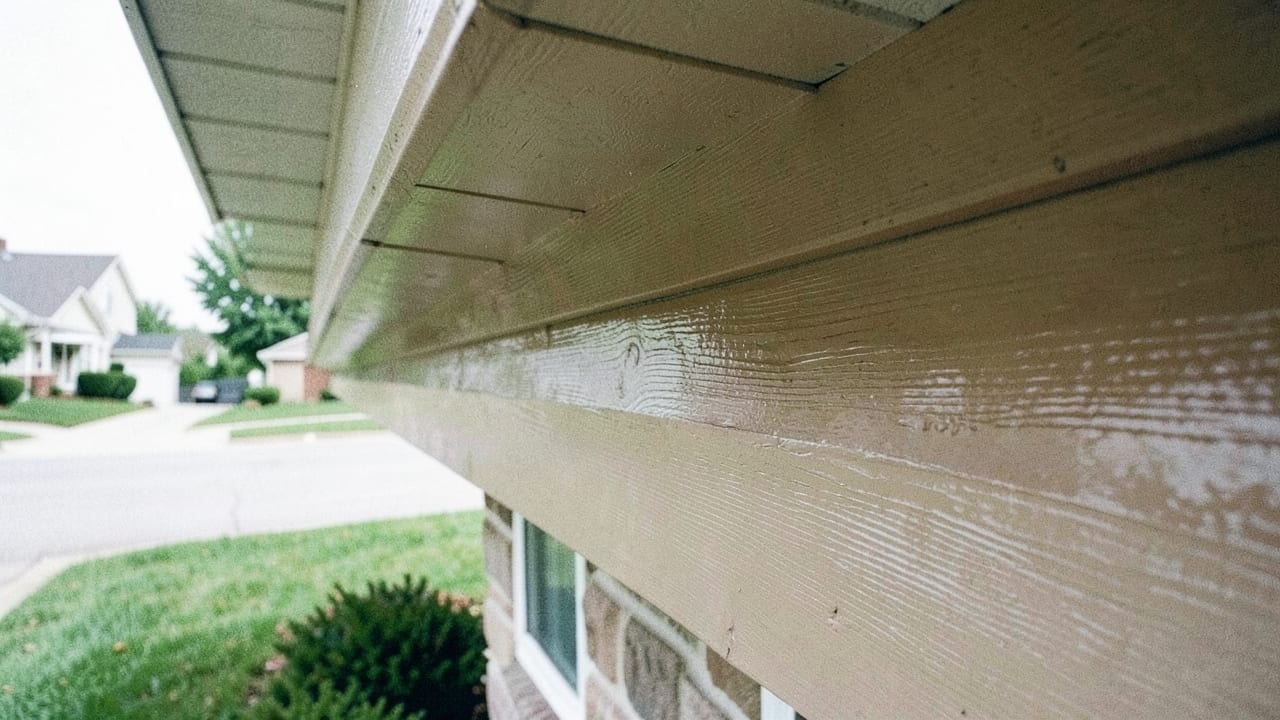
Fascia & Soffit Repair in Redmond, WA
Fascia and soffit repair in Redmond, WA fixes the trim boards gutters mount to, often damaged by long-term overflow or water intrusion.
Learn More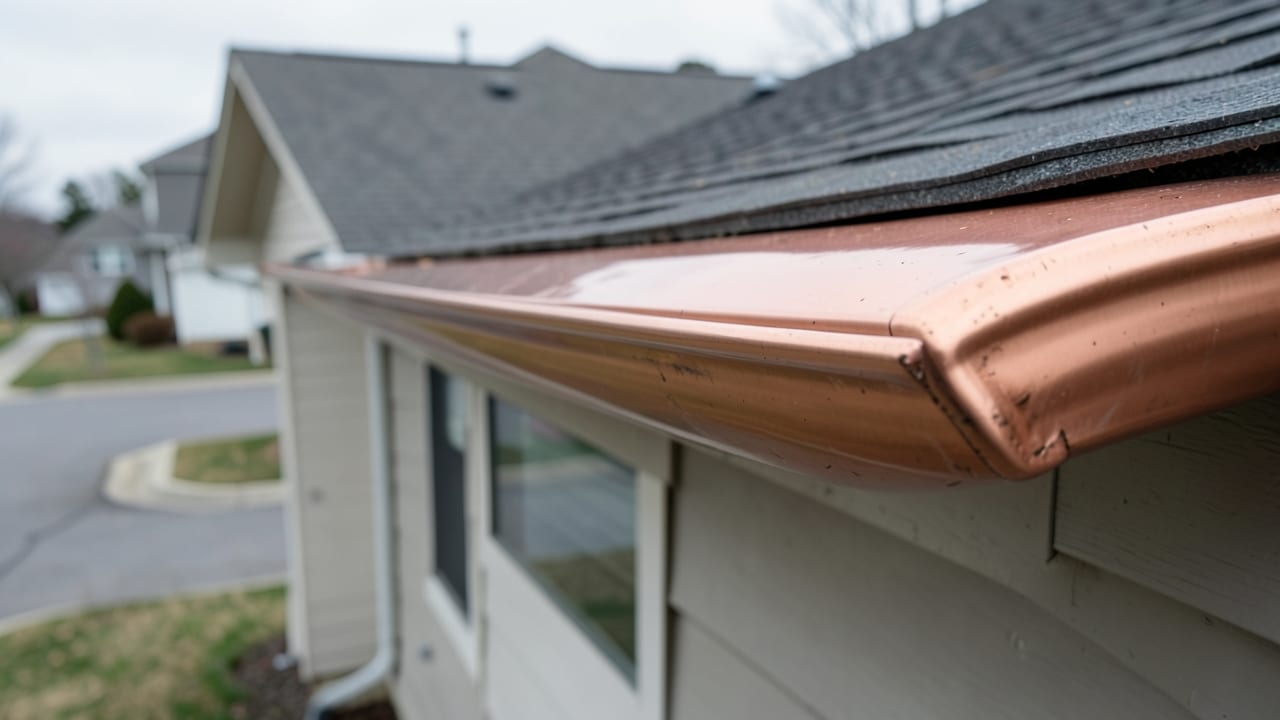
Copper Gutter Installation in Redmond, WA
Professional installation of copper gutters for durable, long-lasting drainage.
Learn More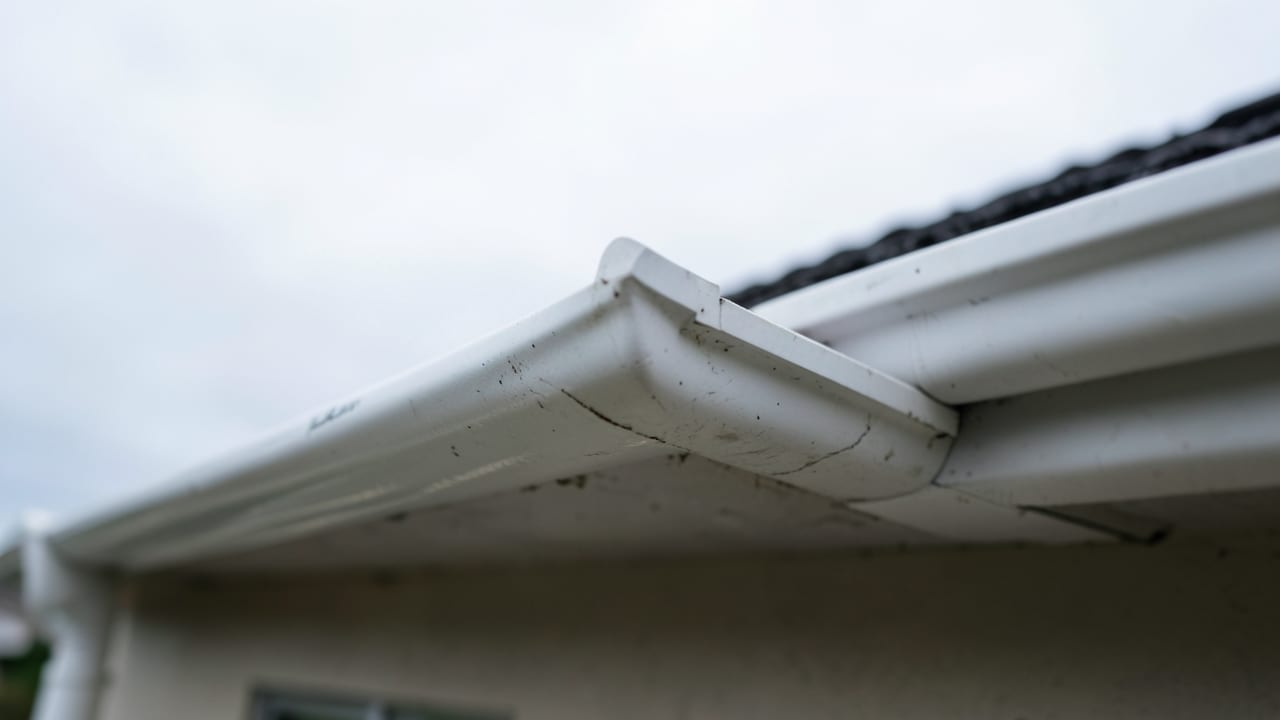
Vinyl Gutter Installation in Redmond, WA
Professional installation of vinyl gutters to direct rainwater away from the home.
Learn More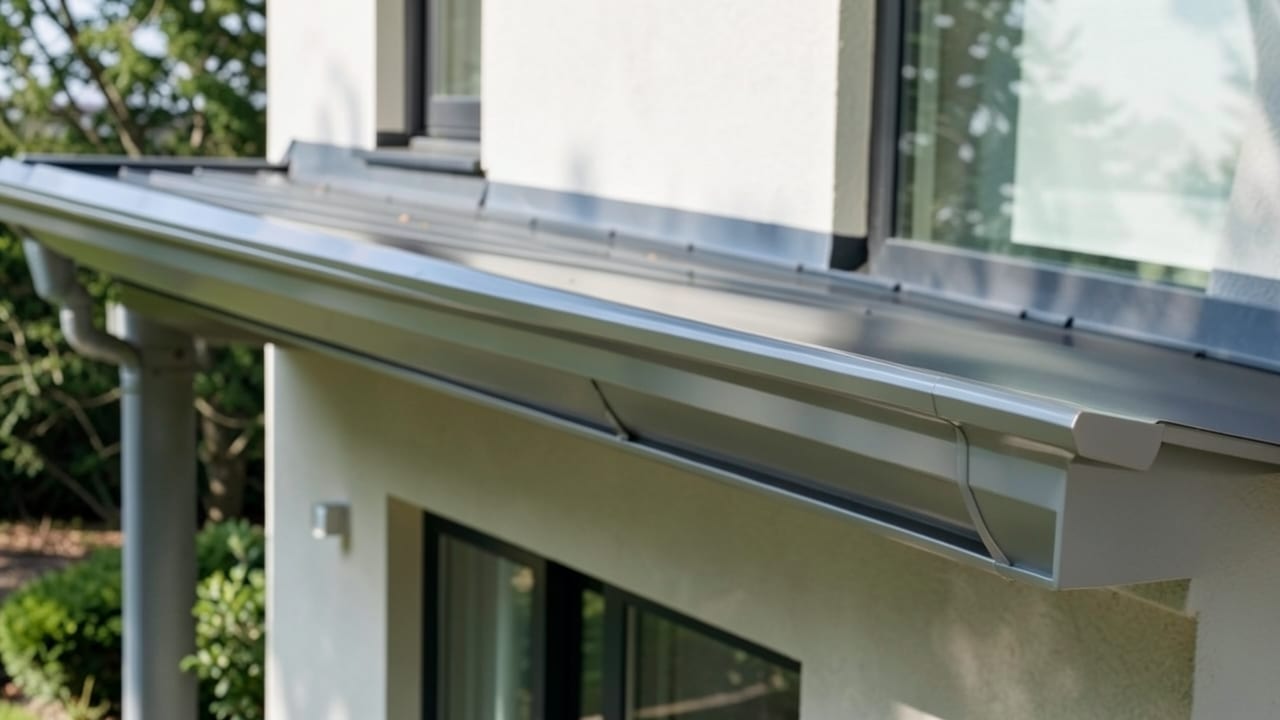
Aluminum Gutter Installation in Redmond, WA
Professional installation of aluminum gutters to manage rainwater runoff effectively.
Learn More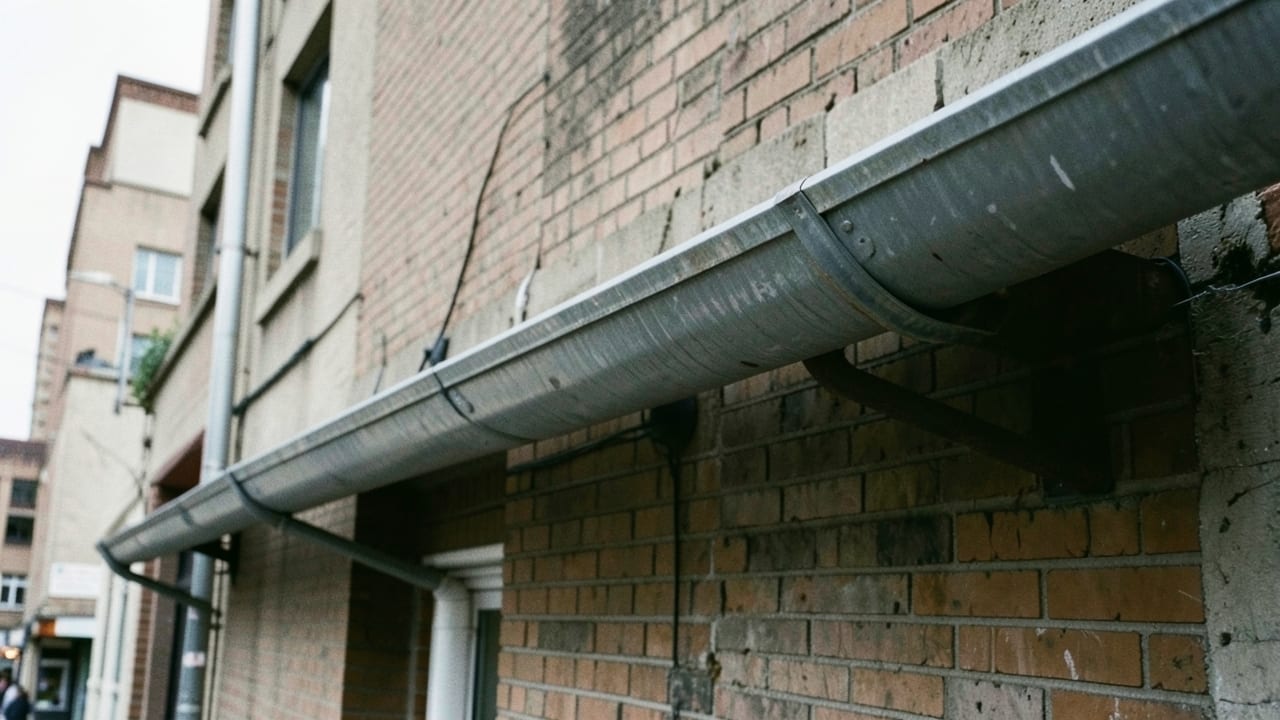
Steel Gutter Installation in Redmond, WA
Professional installation of steel gutters to manage rainfall and protect home foundations.
Learn More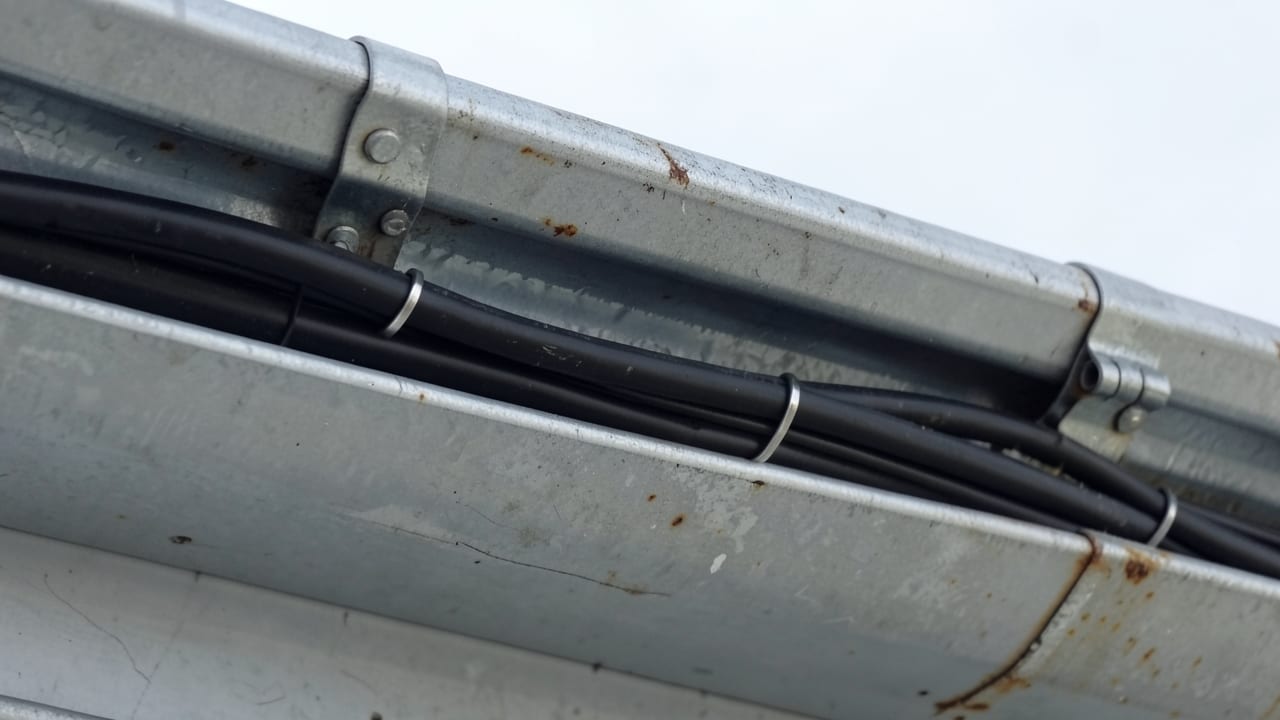
Gutter Heating System Installation in Redmond, WA
Installation of heating systems in gutters to prevent ice dams and clogging.
Learn MoreCommon Questions About Gutter Cleaning in Redmond
Everything you need to know about gutter cleaning services in Redmond
How much does Overflowing Gutter Water Diversion typically cost in Redmond, WA?
How does tree cover around Redmond, WA change gutter maintenance needs?
Can gutters be cleaned safely from the roof instead of a ladder?
Can standing water in clogged gutters attract pests?
How often do gutters actually need to be cleaned?
Do gutter guards eliminate the need for cleaning?
Need Gutter Cleaning in Redmond?
Get a written quote from our Redmond crew.
⏰ We answer your call • Serving all of Redmond and surrounding areas